Default style- Alternative style

Retrospective: A Fu Manchu Story – Part 2: Start the Machine … to Infinity and Beyond

In the previous part, we left Fu Manchu at the peak of their stoner rock powers with California Crossing. Now let’s see what happened next – because the story didn’t stop there; in fact, new and exciting chapters were about to unfold. (Part 1.)

In 2004, Start the Machine arrived, marking a kind of fresh restart. After Brant Bjork left, Scott Reeder (not the Kyuss bassist!) took over on drums, and his energy was immediately felt in the recordings. The album had a raw, garage-y vibe, as if the band just plugged in at the rehearsal space and let the fuzz rip. In the studio, Reeder’s simple yet brilliant drumming perfectly complemented the fuzzed-out riffs, capturing the rehearsal-room energy almost instantly on tape.

In 2007, We Must Obey came out, a heavier record, but it also included a cover of The Cars’ classic “Moving in Stereo,” which fit surprisingly well among their own songs. The band spent most of 2007–2008 on the road, touring across Europe and North America, while an unforgettable moment happened: the track “Mongoose” from California Crossing appeared in a Toyota Super Bowl commercial. Imagine it: stoner rock fuzz blasting during the world’s biggest sporting event while people are watching car ads. The band found it hilarious and agreed it was one of the strangest yet most memorable moments of their career.

In 2009 came Signs of Infinite Power. The record was all about heavy riffs and grooves, just as Fu Manchu always did. No tricks, no glitz – just pure fuzzed-out rock and roll. It was like the band was saying, “We know what we’re doing, and we’re doing it right.” This album fit perfectly into the ever-evolving story of stoner rock and reinforced the band’s reputation among fans from the late ’90s and 2000s.

2014 saw the release of Gigantoid, one of their rawest and most authentic records. In the studio, it felt as if the band said, “Here we go – this is how we sound!” No polish, no frills, just fuzz, garage vibes, and the signature Fu Manchu grooves. The album looked back to their roots while also showing the confidence and experience they had gained over the years. It was like the stoner rock engine fired up again – but this time in a steady, well-oiled rhythm.

Finally, in 2018, Clone of the Universe arrived. Short, punchy tracks lead into the epic, 18-minute finale, “Il Mostro Atomico.” Fans could hardly believe their ears when Alex Lifeson, the legendary Rush guitarist, appeared as a guest. In the studio, everyone reportedly just sat and listened as Lifeson’s iconic style met Fu Manchu’s fuzz world. The track quickly became a fan favorite and served as a perfect conclusion to this second chapter.

With this album, the band proved that even after more than thirty years, they’re still full of energy, creativity, and surprises – and that the fuzz never stops; it just keeps coming back stronger.

As Clone of the Universe closes this chapter, it’s clear that Fu Manchu, even after more than thirty years, is still full of energy, creativity, and surprises. From short, punchy tracks to the epic 18-minute “Il Mostro Atomico,” it’s all about fuzz, groove, and stoner rock adventures. This chapter shows the band at their confident, steady best – the stoner rock machine keeps rolling, now in a seasoned rhythm.

In the next, third part, we’ll explore the most recent years, special tours, anniversaries, and where the band stands today, showing how the fuzz continues to thrive in the 2020s. AMEN!

Retrospective: A Fu Manchu story - part 1: From the Beginnings to the Pinnacle of Stoner Rock


For this new retrospective series, we chose Fu Manchu because their evolution perfectly captures the essence of stoner rock. From their early hardcore roots to their iconic desert grooves, the band’s journey is a story worth revisiting.

The story of Fu Manchu began in 1985 on the sunny streets of Orange County, when a young hardcore punk band, Virulence, started their musical journey. The original lineup featured Ken Pucci on vocals, Scott Hill on guitar, Mark Abshire on bass, and Ruben Romano on drums. The early years were filled with rehearsals, small gigs, and the challenges of a band just starting out. In 1990, after Pucci’s departure, the band continued with a new vocalist, Glenn Chivens, and at that point they adopted the name Fu Manchu.

In the early ’90s, Fu Manchu’s style began to take shape, with Eddie Glass, future founder of Nebula, playing a key role as guitarist on the first three albums.

No One Rides for Free (1994): Raw, groove-oriented riffs with psychedelic undertones marked the band’s shift toward stoner rock. Produced with the help of Brant Bjork, the album immediately captivated fans.

Daredevil (1995): The band’s musical maturity is evident here, with stoner rock elements becoming even more pronounced. Eddie Glass and Ruben Romano’s contributions continued to define Fu Manchu’s signature sound.

In Search of... (1996): Clearly moving into stoner rock territory, the album showcases psychedelic grooves, with Eddie Glass playing a crucial part in shaping the band’s early sound before departing to form Nebula.

The Action Is Go (1997) marked the start of a new lineup, with Brant Bjork on drums and Bob Balch on guitar. This combination brought a fresh dimension to the music: tight grooves, psychedelic waves, and the desert vibe that remains a hallmark of Fu Manchu. The album demonstrated the band’s ability to inject new energy into their sound while staying true to the stoner rock essence.

By the late ’90s, Fu Manchu had settled into a lineup featuring Brant Bjork and Bob Balch, replacing Eddie Glass and Ruben Romano from the early albums.

Godzilla’s/Eatin’ Dust (1999): Slow, heavy riffs, deep grooves, and psychedelic waves define this EP. Listening to it, one can almost feel the desert air and dusty roads, as if standing alongside the band under the California sun.

King of the Road (2000): This album perfectly balances heavy riffs with melodic grooves, conveying not just music but a lifestyle: desert freedom, the tension of long drives, and the authentic energy of stoner rock.

California Crossing (2001): The pinnacle of this era, with tight grooves, distinct riffs, and the instantly recognizable desert vibe. Fu Manchu had now crafted their own universe, proving they could reinterpret stoner rock while creating a signature sound.

This was the first retrospective glimpse at Fu Manchu’s journey, from their beginnings to the California Crossing era. The band’s desert grooves and stoner rock vibe still have plenty more to explore. Don’t miss the continuation—in Part Two, we’ll dive into their albums from the 2000s and follow the band’s ongoing evolution! AMEN!

Dendrites – Southern Fire from Greece

The Greek band Dendrites hails from Volos, founded around 2014, and they’ve been steadily making a name for themselves in the stoner/southern rock scene.

After releasing their debut album Dendrites in 2016, their real breakthrough came with 2019’s Grow, which earned widespread acclaim. Critics across Europe and the U.S. praised its tight riffs, groove-laden tracks, and the Southern-rock energy infused with a touch of Greek spirit.

Dendrites' sound is a dynamic blend of southern metal, stoner rock, and grunge — a groove-driven storm of riffs, smoky atmospheres, and raw emotion. Their music channels the southern weight of Crowbar, the stoner pulse of Dozer, the darker intensity of Mad Season, all wrapped with the fiery energy of Orange Goblin.

The 2019 album Grow exemplifies this fusion: heavy yet melodic, grounded in southern flair and brought to life with modern energy. Critics agree that this album marks the moment the band truly found their signature voice.

The band remains active, and we’re looking forward to hearing new material from them soon! Dentrites

AMEN!

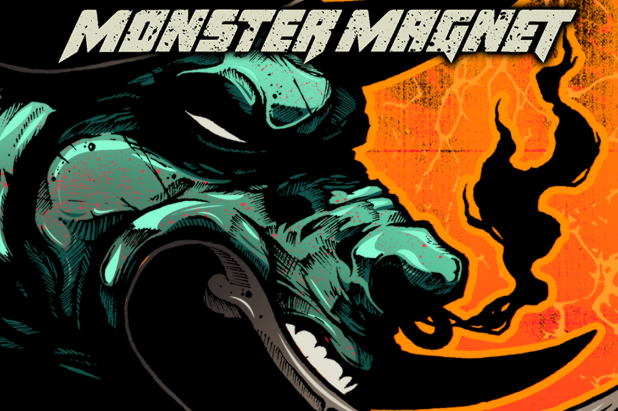
Retrospective: The Monster Magnet Story – Part 3:The Reinvention Years

kepkivagas.PNG

As we enter the third chapter of Monster Magnet’s saga, the focus shifts from mainstream success to reinvention and experimentation. After the turbulence of the 2000s, Dave Wyndorf and the band embrace new sonic directions, balancing cosmic psychedelia with hard rock energy, proving that Monster Magnet is far from finished.

Act VII – Mastermind and the Comeback (2008–2010)
 After 4-Way Diablo, Monster Magnet remained relatively quiet for a few years while Wyndorf continued his recovery. The next major step came in 2010 with Mastermind, widely regarded as the band's strongest material since Powertrip. The album brought back monumental riffs, massive psychedelic layers, and Wyndorf’s cosmic lyricism.


Tracks like “Bored with Sorcery” and “Gods and Punks” made it clear: the band was back in form. While the mainstream wasn’t as open as in the late ’90s, fans and critics alike welcomed the comeback. Tours regained energy, with a focus on European festivals and clubs, where Monster Magnet has always had a strong following.

Act VIII – Last Patrol and Creative Reimagining (2011–2015)
 The next milestone was Last Patrol (2013), a slower, heavier, and more atmospheric record full of long psychedelic journeys. The band partly returned to the early space rock vibe while keeping a modern sound.

During the Last Patrol tour, Wyndorf and the band started performing entire albums live, including Spine of God and Dopes to Infinity, which delighted nostalgic fans. (In 2014, they released Milking the Stars: A Re-Imagining of Last Patrol (an alternative, more experimental version of Last Patrol, with new arrangements and tempos), and in 2015, Cobras and Fire (The Mastermind Redux) (a reimagined, more psychedelic version of Mastermind). These special releases showed that Wyndorf still wasn’t afraid to take creative risks and expand the band’s legacy with new colors.)

Act IX – Mindfucker and Nostalgia Tours (2016–present)
In 2018 came Mindfucker, a rawer, hard rock-oriented album with energetic, straightforward riffs, moving away from the earlier cosmic atmospheres. The album paid homage to classic ’70s rock and gave new life to live performances.

In recent years, Monster Magnet has mostly been touring with anniversary sets, playing old albums in full. Wyndorf’s health stabilized, and while the pace is no longer as wild as in the ’90s, the band remains active, proving that after over three decades, they still have a place on the rock map.

In 2021, Monster Magnet released a covers album, A Better Dystopia, which received a mixed reception – since then, fans have been eagerly awaiting new MM material.

We hope you enjoyed this look into Monster Magnet’s history and that the article helped you better understand the band’s musical evolution, creative risks, and iconic moments. We’re planning more classic stories in the future. The first part of the story can be found here: https://stoner.blog.hu/2025/08/07/retrospective_the_monster_magnet_story_part_1_beginnings_and_rise, and the second part here:https://stoner.blog.hu/2025/08/12/retrospective_the_monster_magnet_story_part_2_from_space_lord_to_the_brink

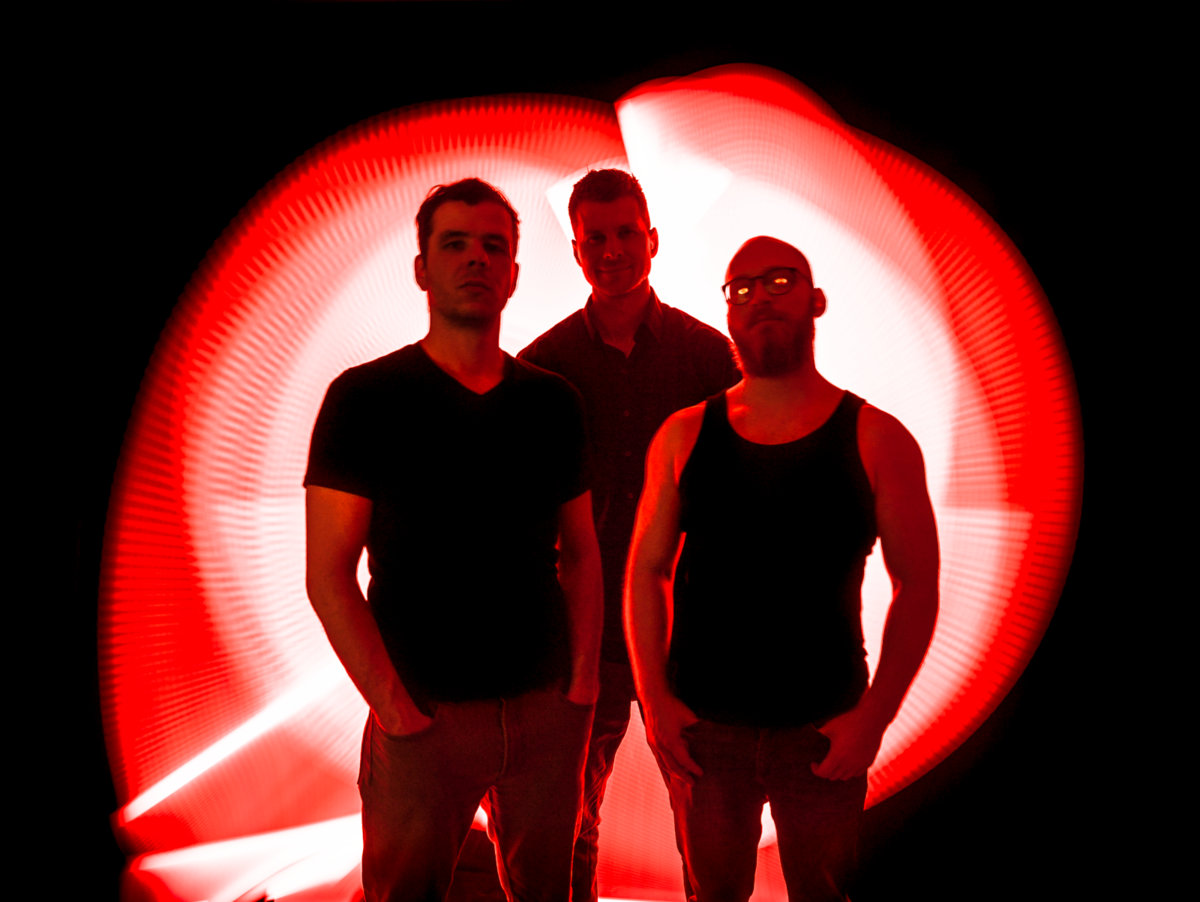
This is Eugene Tooms – Hungarian Stoner Power Trio

The Budapest-based band Eugene Tooms was formed at the end of 2017, with members coming from other underground outfits such as Dűne, Red Swamp and Solidmen. As a trio, they quickly found their own path within the world of stoner and fuzz rock, blending influences from Clutch, Queens of the Stone Age and Red Fang into heavy riffs and powerful grooves. From their very first shows it was clear that they represent a strong force on the Hungarian scene.

 Their debut EP, The Whole Nine Yards, arrived in 2019 with six tracks that immediately showcased the band’s strength: raw yet catchy riffs, a strong rhythm section and varied dynamics. The reception was very positive, with many listeners praising the clean yet heavy sound and the prominent role of the bass guitar, which gave the record a distinctive character.

 Three years later, in 2022, they released their first full-length album, Exhale and Ride Along. Recorded and mixed by Péter Sohajda, the album marked a clear step forward: more mature, more deliberate, and more confident than the debut EP. By this time, Eugene Tooms had already proved on stage that they are a high-energy, audience-friendly live act, whether playing at festivals or in clubs. Their video for the track “Monuments” was shot in Tenerife, visually capturing the band’s atmosphere.

Eugene Tooms remain active today and continue to establish themselves as one of the most reliable forces in the Hungarian stoner rock scene. Their music both embraces the classic elements of the genre and adds a fresh drive, making them highly recommended for listeners just discovering stoner rock as well as longtime fans of the style.AMEN!

Thisiseugenetooms

süti beállítások módosítása