
Act I – The Beginnings
While the early '90s rock world had its eyes set on Seattle, something entirely different was brewing in the industrial backstreets of New Jersey. Among smoke-stained garages and comic-book-fueled dreams, a man named Dave Wyndorf was preparing to blast off into the unknown.
Monster Magnet didn’t come from the desert, but their music was equally scorched – just not by the sun, but by the neon haze of East Coast anxiety. Wyndorf, a former punk and horror-obsessed nerd, wasn’t chasing trends. He wanted to hear what would happen if you took Hawkwind, Sabbath, and the Stooges, funneled them through a fuzz pedal, and launched them into orbit.
Formed in 1989 in Red Bank, NJ, the early Monster Magnet lineup featured guitarist John McBain and chaos-contributor Tim Cronin. Together, they unleashed a series of recordings (Monster Magnet EP, Tab, etc.) that weren’t songs in the traditional sense – they were experiences. Massive, droning riffs, acid-drenched vocals, and a sense of purpose: to expand your consciousness via maximum volume.
Their first full-length album, Spine of God (1991), didn’t chart – but those who heard it were changed. It was too weird for radio, too heavy for the alt scene, and too smart to be dismissed. A hallucinatory garage-space ritual built on distortion, sci-fi references, and a frontman who preached fuzz like gospel.
Act II – Superjudge and the Psychedelic Ambition
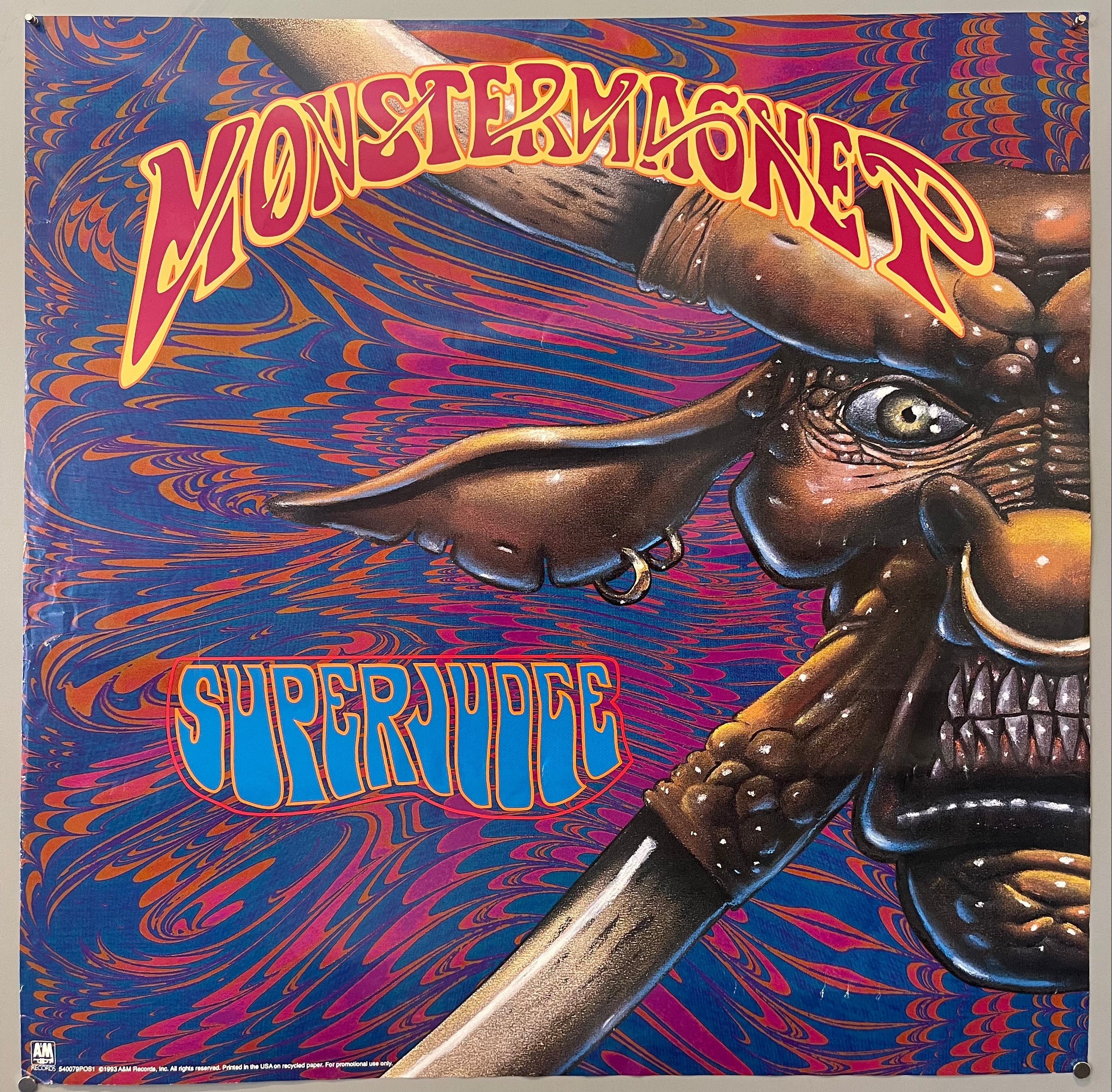
By 1993, Monster Magnet had a clearer vision, and Superjudge was their first real attempt to cross into a wider world. Wyndorf wasn’t hiding anymore – he was declaring war on mediocrity.
Superjudge was still heavy, still fuzzy, but this time it was sculpted. Riffs were riffs, but also mantras. Songs like “Twin Earth” and “Cyclops Revolution” combined doomy weight with infectious structure. Wyndorf wasn’t writing underground anthems anymore – he was crafting cosmic declarations.
It wasn’t a commercial success, but Superjudge marked the arrival of Monster Magnet as more than a fringe act. Wyndorf was evolving into a preacher of psychedelic overdrive, and his band was more than ready to deliver.
Act III – Dopes to Infinity – When the World Finally Heard the Noise
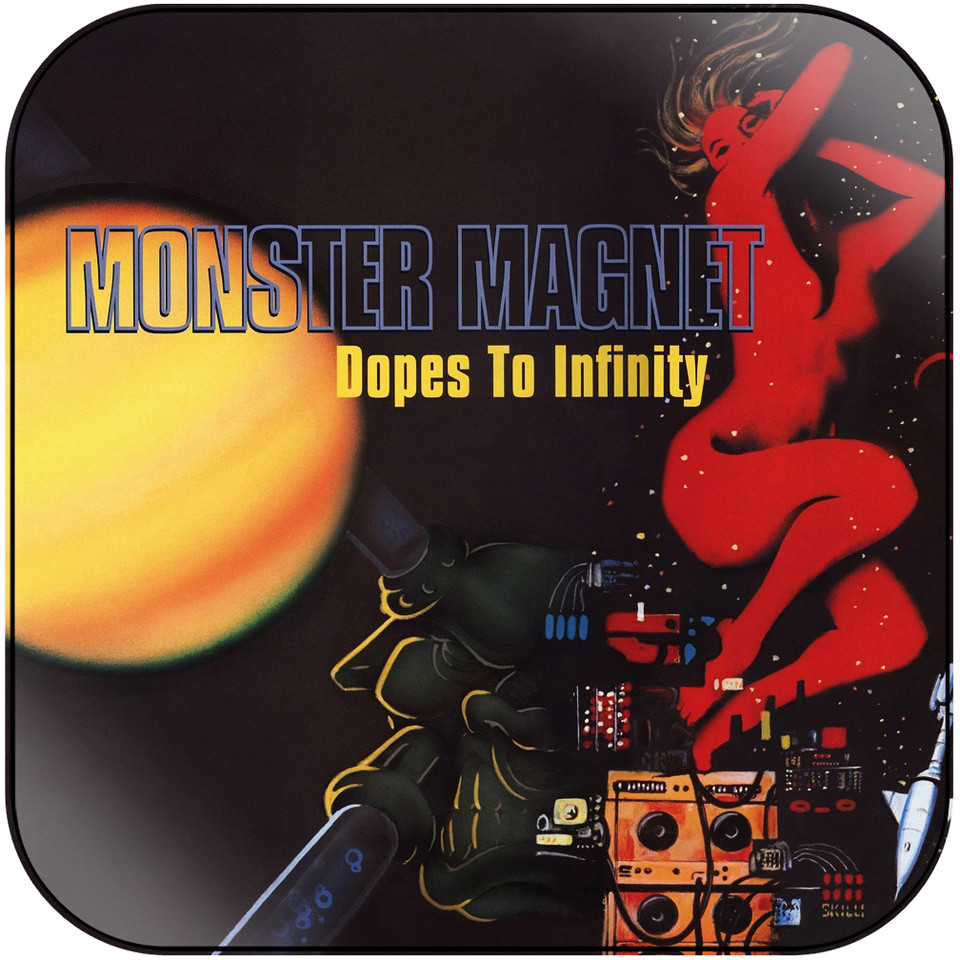
1995’s Dopes to Infinity changed the game. With the breakout single “Negasonic Teenage Warhead,” Monster Magnet finally made it onto MTV, without sacrificing an ounce of heaviness or trippiness.
This album was focused, deliberate, yet cosmic. Tracks like “Blow ’Em Off” and “Look to Your Orb for the Warning” showed that Wyndorf could channel his comic-book acid visions into digestible – even catchy – structures, without losing any of the weird. The closing track, “All Friends and Kingdom Come,” felt like a funeral dirge for sanity.
This is also where Ed Mundell’s lead guitar work became central to the band’s sonic identity. His solos weren’t just flashy – they were interdimensional. Mundell became the voice of the voyage, while Wyndorf remained the visionary.
Dopes to Infinity wasn’t just an album. It was a gateway. And once you entered, you didn’t come back the same.
