Default style- Alternative style

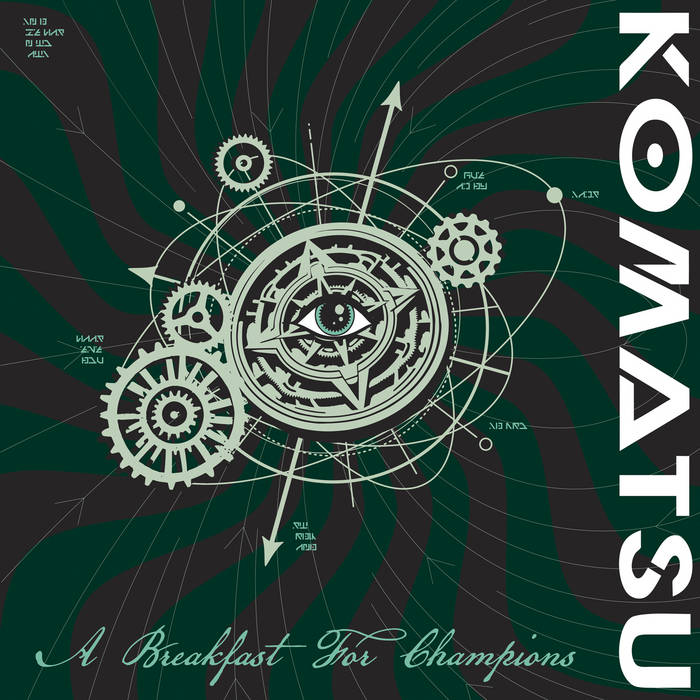
Komatsu - Breakfast For Champions

Végre sikerült meghallgatnom az új Komatsu albumot! Egyelőre csak egyszer, így most csak egy gyors ismertetőt tudok idefirkantani, de vonalvezetőnek ez is megteszi.


Mióta Mathijs Bodt gitáros kilépett a zenekarból, kíváncsi voltam, vajon bevettek-e valakit a helyére, vagy trióban nyomják tovább. És… nagy volt a csönd, de még nagyobb a meglepetés: hárman folytatják! A felállás most így néz ki: Mo Truijens (gitár, ének), Martijn Mansvelders (basszusgitár, ének) és Jos Roosen (dob).

Azt hittem, hogy a zene ettől sokkal szellősebb irányba fordul, de nem ez történt. Első blikkre azt mondanám, hogy egy kifejezetten sűrű album született. Az irány megmaradt: egy sludge témákkal átitatott zenei őrület, amely bőségesen tartalmaz hardcore- és apokaliptikus hangulatokat egyaránt. A hangzás vaskos és telt, mégis minden hangszer tisztán kivehető. A keverés pedig kellően mocskos ahhoz, hogy a sludge súlya igazán érvényesüljön.   Feszes, dinamikus és brutálisan groove-os! A dalok szövegvilága is illeszkedik a zenéhez – sötét, nyomasztó és tele van feszültséggel. Az egész lemezt áthatja egy megfoghatatlan, fenyegető érzés, amit talán csak az utolsó dal old fel.

Ez az album nem egy egyszer hallgatós darab! A stoner és a sludge tökéletes keveréke. AMEN!

https://www.facebook.com/komatsurockhttps://www.facebook.com/HEAVYPSYCHSOUNDS

Sergeant Thunderhoof - Interview (UK Version)

The Sergeant Thunderhoof is a band that has always stood out from the crowd! Their albums usually have a concept behind them—some history, a bit of mysticism, a connecting thread that holds everything together. All of this is wrapped in a highly professional musical cloak, balancing on the edge of psychedelia and raw power. They recently released The Ghost of Badon Hill, and now there’s already a live album, Avon Calling. So, I thought it was the perfect time for a short interview with them! 

Your first live album is coming out in March. Why did you feel this was the right time
for a live release?
 - Actually this is our second live album. ‘Live on Earth’ came out in 2016, so this felt like a good time to do another and feature only songs that have been created after the last one.
 How was the recording process different compared to a studio album?
 - It was incredibly simple to be honest, we literally just recorded the show and our engineer has just adjusted the levels in the mix. So there’s plenty of mistakes and things, but that’s the beauty of live music.


 Is there a particular song that you feel turned out even better live than in the studio?
- I think ‘Another Plane’ really shines as a live track. It certainly shows off the musicality of the band.
 Did you try to stay faithful to the original sound, or did you make any significant
changes to the songs for the live setting?
- Live should never be the same as the studio. We don’t go out of our way to make significant changes, but neither do we fuss too much about any changes.
 For someone who has never seen you live, what can they expect from this album?
- Just good rock energy and a fantastic crowd.
 

The Ghost of Badon Hill has a monumental and atmospheric feel. What was the
concept behind it?
 - I was inspired by our local history and folklore, specifically the invasion of England by the Anglo Saxons in the 5th and 6th century. We definitely tried to capture the atmosphere of that time and place.
 The title and theme seem to have historical or medieval influences. Were legends or
real events an inspiration for the album?
- Both. The legend of King Arthur is closely tied to the battle of Badon Hill. So the entire album is an enigma, wrapped in a myth and sprinkled with reality.
 How does this album differ from your previous releases in terms of songwriting and
sound?
- It’s more concise, more thoughtful. Perhaps it’s less psychedelic and lysergic. It’s a very focussed album, for better or worse.
 Do you have a favorite track from the album? If so, why?
- Personally, I really like The Orb of Octavia. I think the whole band shine on this.
 The album cover is visually striking. Who created it, and what was the concept behind
it?
- That’s our wonderful artist Sara-Jane Swettenham who has done all of album covers over the years. We always give her artistic freedom to express herself.

Thank you for the interview. AMEN! https://www.facebook.com/sergeantthunderhoof


Sergeant Thunderhoof - Interjú


    • A Sergeant Thunderhoof az a zenekar, ami mindig is kilógott a sorból! Általában mindig van koncepció az albumok mögött, valami kis történelem, egy kis misztikum, valami kapocs, ami összetartja az egészet. Mindez egy nagyon profi zenei köpenybe burkolva a pszichedelik és a nyers erő határán lavírozva. Nem rég jött ki a The Ghost Of Badon Hill albumuk és máris itt egy Live album, az Avon Calling, ezért indokoltnak tartottam egy rövid interjút velük!
    • Márciusban jelenik meg az első koncertalbumotok. Miért éreztétek úgy, hogy most jött el az ideje egy élő kiadványnak?
      Valójában ez már a második koncertalbumunk. A Live on Earth 2016-ban jelent meg, így most jó alkalomnak tűnt egy újabb kiadásra, amelyen kizárólag az azóta született dalok szerepelnek.

    • Miben volt más a felvételi folyamat egy stúdióalbumhoz képest?
      Őszintén szólva hihetetlenül egyszerű volt: egyszerűen csak rögzítettük a koncertet, majd a hangmérnökünk a keverés során finomhangolta a szinteket. Rengeteg apró hiba és egyéb dolog maradt benne, de ez a live zene szépsége.

    • Van olyan dal, amely szerinted élőben még jobban működik, mint a stúdióverzióban?
      Szerintem az Another Plane igazán ragyog élőben. Tökéletesen megmutatja a zenekar zeneiségét.

    • Próbáltatok hűek maradni az eredeti hangzáshoz, vagy jelentősebb változtatásokat is tettetek a dalokban a koncertkörnyezethez igazítva?
      A koncertélménynek sosem szabad teljesen ugyanolyannak lennie, mint a stúdiófelvételnek. Nem törekszünk nagy változtatásokra, de nem is aggódunk túl sokat az eltérések miatt.

    • Ha valaki még sosem látott titeket élőben, mit várhat ettől az albumtól?
      Jó rockenergiát és egy fantasztikus közönséget.

    • A The Ghost of Badon Hill monumentális és atmoszferikus hangulatot áraszt. Mi volt a koncepció mögötte?
      A helyi történelem és folklór inspirált, különösen az angolszászok Angliába való betörése az 5. és 6. században. Igyekeztünk megragadni annak a kornak és helyszínnek a hangulatát.

  • A cím és a téma történelmi vagy középkori hatásokat sugall. Legendák vagy valós események inspirálták az albumot?
    Mindkettő. Arthur király legendája szorosan kapcsolódik a Badon Hill-i csatához. Így az egész album egy rejtély, egy mítoszba csomagolva, valósággal meghintve.

  • Miben különbözik ez az album a korábbi kiadványaitoktól dalszerzés és hangzás szempontjából?
    Összeszedettebb és átgondoltabb. Talán kevésbé pszichedelikus. Egy nagyon fókuszált album, akár előnyére, akár hátrányára.

  • Van kedvenc dalod az albumról? Ha igen, miért?
    Személy szerint nagyon szeretem az The Orb of Octavia-t. Úgy érzem, az egész zenekar ebben igazán megcsillogtatja a tudását.

  • Az albumborító vizuálisan nagyon erőteljes. Ki készítette, és mi volt a mögöttes koncepció?
    A fantasztikus Sara-Jane Swettenham alkotta, aki az összes borítónkat készítette az évek során. Mindig teljes művészi szabadságot adunk neki az önkifejezésre.

  • Köszönöm az Interjút! AMEN!  https://www.facebook.com/sergeantthunderhoof


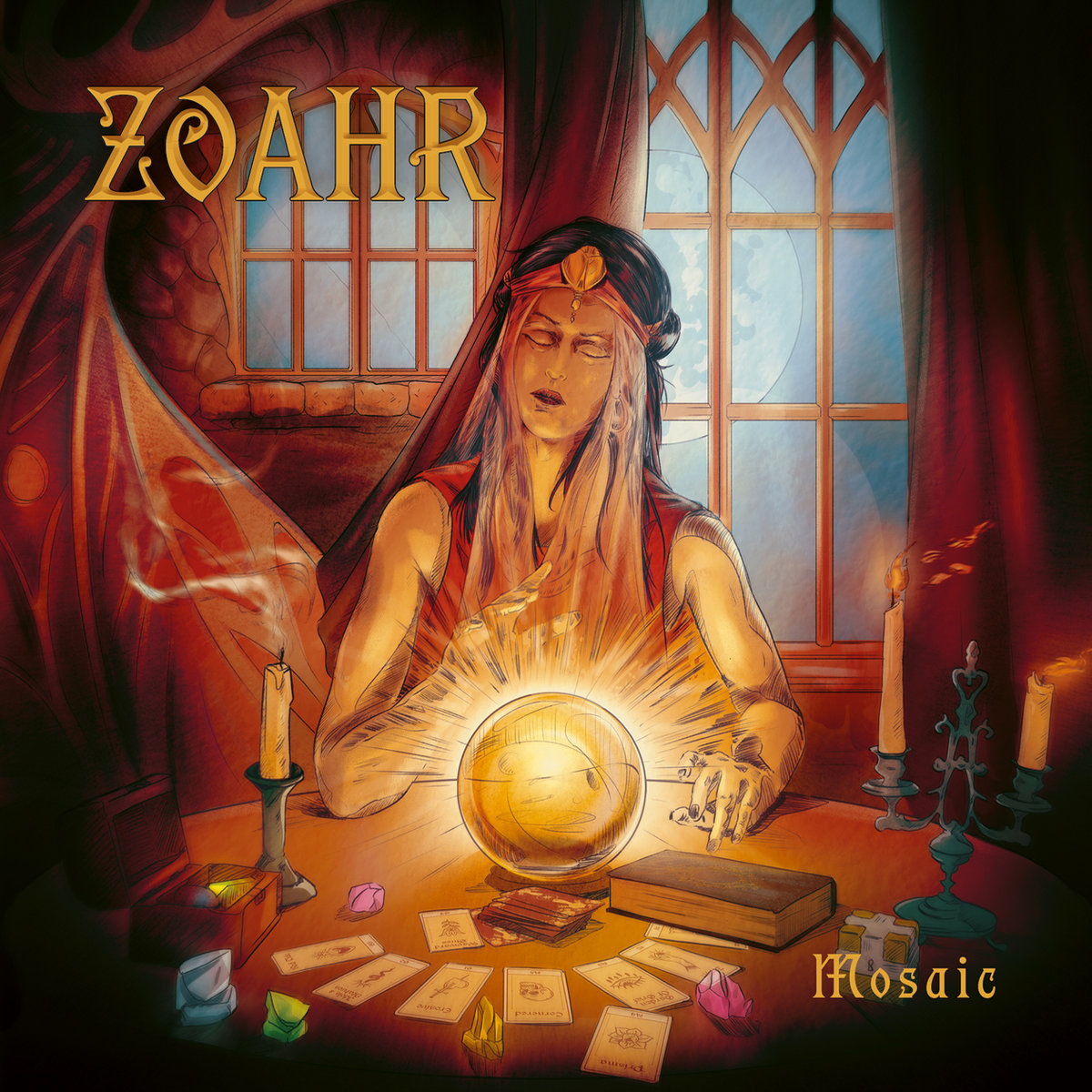
Zoahr - Mosaic

A német Zoahr Mosaic című harmadik lemeze a pszichedelikus és desert rock világát vegyíti a klasszikus blues és stoner groove-okkal, ám a végeredmény inkább a műfajok biztonságos határain belül marad. Az album atmoszférája és hangulata kellemes háttérzenét ad, de a dalok nem képesek igazán kiemelkedni.

Bár a zenekar képes szoros groove-okat és erőteljes riffeket hozni, egyetlen szám sem tud igazán magával ragadni vagy tartósan megmaradni az emlékezetben. Az album egészére inkább a "szórakoztató, de nem emlékezetes" jellemző illik, ami lehet, hogy a könnyedebb stoner és psych rajongóknak megfelel, de azok számára, akik most ismerkednek a stoner muzsikával illetve annak különféle vállfajaival, kimondottan ajánlott! A Mosaic tehát egy korrekt album, de a mélyebb zenei élményt keresők valószínűleg máshol találják meg. AMEN!

https://www.facebook.com/zoahrmusic


Craneium - Interview


The Finnish band Craneium plays a strange yet enjoyable blend of Beatles-esque psychedelia and riff-driven doom. Their music carries weight, yet the vocal melodies remain highly melodic. They are a refreshing addition to today’s somewhat more conservative stoner underground. Check out this not-so-short interview!

First of all, tell us a little about the band's beginnings! How did you meet, and what inspired you to make music together?

Hello! Thanks for having us. Craneium was formed when we were university students in Turku, Finland. Initially, our goal was to play heavy, fuzz-filled music inspired by doom, desert rock, and retro-sounding bands that were gaining attention at the time.

Over the years, we've had a few bass player changes, but the core of the band has always been Martin, Andreas, and Joel. An interesting fact: everyone who has ever been a member of the band studied music theory at university—except for our drummer, Joel.

The band name, Craneium, sounds quite mysterious. What’s behind it? Does it have a special meaning, or did it just sound cool?

Since we formed the band many years ago, the story of the name might vary depending on who you ask! But in short: we wanted a strong, one-word name, something that fit our music, like Dozer.

The word “Crane” has multiple meanings—it can refer to a machine used to lift heavy objects or a large bird. We combined this with “cranium” (skull) because we thought it sounded cool.


Your music strongly builds on the classic stoner rock and doom traditions while having a fresh, unique sound. How do you write your songs? Is your songwriting process more spontaneous or structured?

Thank you! We really appreciate that you understand what we’re trying to do. Our songwriting has evolved a lot over the years. In the beginning, we focused on writing heavy, fuzz-filled riffs and being part of the vibrant stoner rock scene—that was our main inspiration at the time.

We've always written a lot together, jamming and refining ideas as a group. Nowadays, we tend to record our ideas while jamming and then listen back to them. This process helps us recognize what works and what doesn’t. In this sense, our songwriting is still spontaneous—we write what excites us—but at the same time, it’s also structured, as we constantly strive to improve as musicians and refine our sound.

In November 2024, you released the single "Empty Palaces," which echoes some of your earlier material. Is this a one-time nostalgic throwback, or does it hint at a new direction? Since your last album, how do you see your own development? Is there a new direction you'd like to explore on the next release?

It’s interesting that you hear "Empty Palaces" as a nostalgic throwback! For us, it felt more like a step into ‘90s alternative rock territory. The song was recorded during the sessions for Point of No Return, but it didn’t make it onto the album. "Empty Palaces" seemed like a song that could stand on its own.

We are already working on our fifth album, but it’s always hard to predict the exact direction in advance. One thing is certain: we always strive to evolve—so you can expect some interesting ideas to emerge.


A previous article described The Narrow Line as a musical Odyssey, full of unexpected twists and emotional rollercoasters. Was this structure a conscious choice, or was it more of an instinctive creative process? I feel that your latest releases don’t follow this approach as much—am I wrong?

That’s an interesting observation! We wrote The Narrow Line quite some time ago, and since our albums take a long time to complete, it’s sometimes hard to remember what shaped them back then.

If I had to guess, I’d say we weren’t as conscious about songwriting back then as we are now. The Narrow Line was our second album, which in some ways was our first "real" album—the debut was more of a collection of songs written during the band’s formation, early gigs, and the development of our sound. That likely influenced how the album turned out.


Point of No Return contains only six tracks, yet it delivers a complete experience. Did you intentionally aim for this shorter but more intense structure?

Thank you! Yes, we preferred a short, impactful album over one that drags on and loses momentum. Our initial goal for Point of No Return was to create a tight, immersive experience where every song had its purpose.

Over time, our songwriting has become more direct—we focus on cutting the excess and making every moment count rather than adding songs just for the sake of it. We wanted to create a coherent journey where the intensity never drops. In the end, we felt that six tracks provided the perfect balance to deliver the intended experience.


The album title Point of No Return has a rather ominous tone. What does this phrase mean to you? Were you trying to capture something personal, or is it more of a global theme?

Some of us in the band were experiencing varying degrees of climate anxiety while writing Point of No Return, and that feeling naturally found its way into the music. As we worked on the album, it became increasingly clear that the overarching theme was humanity’s destructive impact on the only habitable planet we know.

The title reflects this urgent feeling—that we might be crossing an irreversible threshold, both environmentally and socially. It’s not just a personal reflection but a broader statement about where we’re heading as a species if things don’t change.

Finland is primarily known for its metal scene. How challenging is it for a stoner rock band to gain recognition in such an environment? Is there a strong underground scene, or have you found a larger audience abroad?

Finland actually has a strong underground scene beyond just traditional metal. Bands like Kaleidobolt, Thermate, Dö, Kaiser, and Demonic Death Judge all bring their unique approach to music while still fitting into the more psychedelic and underground side of the scene.

As for Craneium, we are part of Finland’s Swedish-speaking minority, which is why we also feel very at home in Sweden. Our sound is more melodic and less metal-oriented than many Finnish stoner rock bands, which might explain why we’ve built a strong connection with Swedish listeners. Our first two albums were released by the American label Ripple Music, which helped us build a following in the U.S. Many listeners there have stayed with us for years, and we still see a lot of interest from them. At the same time, we have a dedicated audience in Finland, and we’re happy to be part of both the national and international scenes.


What are your plans for 2025? Are you working on a new album, or do you have tour plans? Is there a chance you’ll visit Hungary?

We are working on a new album and trying to play as many shows as possible—though being a fully DIY band without a booking agency, touring requires a lot of energy. Our goal is to finish the album this year and release it in 2026, but we’ll see where we stand by the end of the year. There might even be some new music before that.

We would love to come to Hungary! The closest we’ve been was the Czech Republic, but that was years ago. We’re huge fans of building connections and fostering the underground community, so if you help spread the word, we’ll make it to Hungary sooner or later!

Finally, what would you like to say to those discovering Craneium for the first time?

First of all, thank you for taking the time to check out a small band you’ve never heard before! The underground music scene is a wonderful community, and we’re grateful to be part of it—along with all of you.

If you love smoky, heavy riffs but feel like stoner rock could use some variety and depth, we might be just what you're looking for. Dive in, turn up the volume, and hopefully, we’ll see you at a show someday!

AMEN!

Linktree
süti beállítások módosítása