Default style- Alternative style

Khan – Interview with the Heavy Psych Trio from Melbourne (UK Version)

The following interview was conducted with the Australian band KHAN on the occasion of their upcoming show at Budapest’s Riff Club on May 25. (https://fb.me/e/3ZNSBYRK3)

Khan is a three-piece band from Melbourne, blending psychedelic stoner rock, progressive rhythms, and raw industrial textures into a unified sonic mass. The trio has been active since 2016, releasing several records including the On Silent Space EP, Vale, Monsoons, and most recently Creatures (2023) — their heaviest, deepest, and most dynamic release to date. The album was recorded by guitarist-vocalist Josh Bills at their own Vagabond Studios.

Their music is shaped by influences such as Tool, Soundgarden, Karnivool, and John Frusciante, but cinematic and video game atmospheres also find their way into the band’s sound.
They first toured Europe in 2022, including a show at RIFF Club in Budapest. Since then, they’ve remained active on the continental live circuit, playing festivals like Desertfest Antwerp and Fuzz Festival Stockholm.

We caught up with them in the midst of recording their fourth studio album for a short conversation about their evolution, the state of the Australian scene, and their memories of playing in Budapest — just ahead of their return show at RIFF Club on May 25.

Interview

– Your album Creatures presents a darker and more dynamic sound. What inspired this direction?
There wasn’t a particular inspiration — it just felt like the natural evolution of our music. It wasn’t a conscious decision; it just happened that way.


Monsoons is a fully instrumental album. What inspired you to release a record without vocals?
We didn’t actually set out to make an instrumental record. We just had some jams and ideas that didn’t feel like they needed vocals, and we thought it’d be cool to release something different during the Covid period.


– You played in Budapest in 2022. What memories do you have of the Hungarian audience?
It was an intimate show at RIFF Club. The people who came were really kind and supportive. It left a good impression.

– How did the pandemic affect the band?
We were living together at the time and had a home studio, so we could still rehearse, write, and record. Of course, touring and live shows were off the table, but musically, we didn’t stop.

– What challenges did you face organizing European tours, especially with the distances and logistics?
The hardest part was not knowing the local scene — services, promoters, venues, or optimal routes. Luckily, tools like the internet, Google Maps, and translation apps helped a lot, and we eventually figured it out.

– Your music spans multiple genres. How would you define your sound?
We pull from a lot of different genres — alternative, progressive and psychedelic rock, post-rock/metal, stoner rock, and even soundtracks from films and video games. If we had to label it, we’d probably call it “heavy progressive psych.”

– What are your future plans in terms of studio work and touring?
We’re currently recording our fourth studio album, which we’ll finish before our next European tour in August. We’ll then tour Australia later in the year to promote the new record, and plan to return to Europe in 2026.

– Which song would you recommend to someone new to Khan’s music?
Probably Eyes, Lungs, Arms & Mind. It’s one of our favorites, and we feel it encapsulates most aspects of our sound in one track.

– How do you see the future of stoner and psychedelic rock in Australia?
We think it looks healthy. A lot of good bands are emerging, especially in Melbourne. There’s definitely a new wave, and people are open to it.

– Do you have any rituals or habits before going on stage?
Not really. But we always joke about not eating too much before a show — Beau’s dad told him that before his first gig, and we’ve laughed about it ever since.

https://www.facebook.com/khanbandofficial

Also performing at the event is the increasingly active Eugene Fight Club, whom we also hope to catch for a quick interview. AMEN!

Khan – Interjú a melbourne-i heavy psych trióval

A következő interjút az ausztrál KHAN zenekarral készítettük a május 25-i, budapesti Riff Clubos fellépésük alkalmából. (https://fb.me/e/3ZNSBYRK3)

A Khan egy háromtagú zenekar Melbourne-ből, akik pszichedelikus stoner rockot, progresszív ritmusokat és nyers, ipari hangzást gyúrnak egységes zenei masszává. A trió 2016 óta aktív, azóta több anyagot is kiadott, többek között a On Silent Space EP-t, a Vale és Monsoons című lemezeket, legutóbb pedig a 2023-as Creatures-t, amely egyben a legsúlyosabb, legmélyebb és legdinamikusabb munkájuk. Az albumot Josh Bills gitáros-énekes rögzítette saját stúdiójukban, a Vagabond Studios falai között.

A banda zenéjét olyan hatások alakították, mint a Tool, a Soundgarden, a Karnivool, vagy épp John Frusciante, de még filmzenék és videojátékok atmoszférái is visszaköszönnek.
2022-ben jártak először Európában, ekkor a budapesti RIFF Clubban is felléptek. Azóta is aktív résztvevői a kontinentális koncertéletnek, többek között a Desertfest Antwerp és a Fuzz Festival Stockholm színpadán is megfordultak.

Most épp negyedik stúdióalbumuk munkálatai közepette kaptuk el őket egy rövid beszélgetésre, hogy megismerjük a zenekar fejlődési ívét, az ausztrál színtér helyzetét, és persze a budapesti koncert emlékeit is.

Interjú

– A Creatures albumotok sötétebb és dinamikusabb hangzást képvisel. Mi inspirált titeket ebbe az irányba?
Nem volt konkrét inspirációnk – egyszerűen csak így fejlődött a zenénk természetes módon. Nem volt tudatos irányváltás, így alakult.


– A Monsoons egy teljesen instrumentális lemez. Honnan jött az ötlet egy ének nélküli anyagra?
Valójában nem terveztünk instrumentális lemezt. Voltak olyan jammelések, ötletek, amikhez nem éreztük szükségesnek az éneket, és úgy gondoltuk, jó lenne valami különlegeset kiadni a Covid-időszak alatt.


 – 2022-ben Budapesten is felléptetek. Milyen emlékeitek vannak a magyar közönségről?
Egy bensőséges hangulatú koncert volt a RIFF Clubban. Azok, akik eljöttek, nagyon kedvesek és támogatóak voltak. Jó élmény maradt.

– Hogyan hatott rátok a pandémia időszaka?
Akkoriban együtt laktunk, és volt saját házi stúdiónk, így tudtunk próbálni, írni és rögzíteni is. A turné és az élő fellépések természetesen kiestek, de zeneileg nem álltunk le.

– Milyen nehézségekbe ütköztetek az európai turnék megszervezése során, különösen a távolságok és logisztika miatt?
A legnagyobb kihívás az volt, hogy nem ismertük a helyi szolgáltatókat, promótereket, klubokat vagy az optimális útvonalakat. Szerencsére az internet, a Google Maps és a fordítóappok sokat segítettek, így végül meg tudtuk oldani.

– A zenétek műfaji határokon mozog. Ti hogyan definiálnátok a saját stílusotokat?
Sokféle műfajból merítünk: alternatív, progresszív és pszichedelikus rock, post-rock/metal, stoner rock, de még filmzenék és videojátékok is inspirálnak minket. Ha egy kifejezést kellene mondani, akkor talán a „heavy progressive psych” illik ránk legjobban.

– Mik a terveitek a jövőre nézve, akár stúdió, akár turné szempontból?
Épp most rögzítjük a negyedik stúdióalbumunkat, amelyet még a következő, augusztusi európai turnénk előtt befejezünk. Az év végén Ausztráliában fogunk turnézni az új lemez promóciójaként, és 2026-ban ismét visszatérünk Európába.

– Melyik dalt ajánlanátok annak, aki most ismerkedik a Khan zenéjével?
Az Eyes, Lungs, Arms & Mind-ot. Ez az egyik kedvencünk, és szerintünk elég jól bemutatja, hogy milyen rétegekből áll a zenénk.

– Hogyan látjátok a stoner és pszichedelikus rock jövőjét Ausztráliában?
Szerintünk jó irányba halad. Sok új, erős zenekar bukkan fel, főleg itt, Melbourne-ben. Van utánpótlás, és az emberek nyitottak.

– Van valamilyen sajátos szertartásotok vagy szokásotok koncert előtt?
Igazából nincs külön rituálénk. Viszont mindig emlegetjük, hogy nem szabad túl sokat enni fellépés előtt – Beau apukája mondta neki ezt az első koncertje előtt, és azóta is nevetünk rajta.

https://www.facebook.com/khanbandofficial

Az eseményen felépp még az egyre többet koncertező Eugene Fight Club is, akiket remélem sikerül elkapnom egy interjú erejéig! AMEN!


TAD a mocsár szélén - Kráter János retrospektívje Tad Doyle súlyos örökségéről

A grunge színteret sokan a flanelinges, fülledt depresszióval azonosítják, ahol a hangulat mélyére szúrt gitárok és szétesett énekek uralkodtak. De volt ott valaki, aki nem csupán fájdalmat, hanem súlyt is vitt ebbe a világba. Nem a divatos nihilizmus felől közelített, hanem valami ősi, zsigeri mélység felől. Ez volt Tad Doyle és zenekara, a TAD.

Miközben a seattle-i vonal nagyjai slágerpotenciált is próbáltak csiholni a zajból, TAD inkább beleállt a hangfalba. A God’s Balls és 8-Way Santa lemezek úgy szóltak, mintha valaki egy olajos garázsban felnyitotta volna a pokol kútját, és hagyta volna fortyogni a füstöt. Lassú, zsíros riffek, döngölő tempók, és egy olyan mély, hörgős ének, amitől a grunge hirtelen sludge-dá torzult.

És itt jön a kérdés: kötődik ez a stonerhez?

A válasz nem egyértelmű, de izgalmasan áthallásos. A TAD sosem volt stoner rock, legalábbis nem a klasszikus értelemben. Nincs benne fuzz-orgia, nincs sivatag, nincs lebegés – de van benne súly, van benne riffközpontúság, van benne középtempós borongás, ami a stoner doom egyik ősélménye is lehetne. Ha a Kyuss a Mojave, akkor a TAD egy Washington-állami láp. Más textúra, de hasonló gravitáció.

A Tad Doyle-féle világ közelebb áll a Melvins, The Obsessed vagy épp a későbbi Goatsnake típusú doomos gondolkodáshoz. És ha valaki ezen a csúszós, zajos ösvényen elindul, könnyen kiköthet a stoner legmélyebb bugyraiban. Doyle egyébként sem hagyta el a súlyt: a Brothers of the Sonic Cloth már teljesen sludge/doom irány, mintha meg sem állt volna a stoner másik partjáig.

TAD nem divat volt, hanem dörömbölés a garázskapun. Aki figyelt, az meghallotta benne a stonert – csak akkor még nem így hívtuk.

Ma már ez a hangzás nem számít különösebben egyedinek. Azóta számtalan zenekar született, akik hasonló súlyban, zajban, riff-alapú struktúrákban gondolkodnak. A sludge, a doom, a stoner vagy a noise rock is bejárta már ezeket az ösvényeket. De abban az időben, amikor TAD megszólalt, ez a zene még szinte senkinél nem volt ott. Nem volt hozzá nyelv, se szcéna, se doboz. Csak a hangfal, a súly, és az a különös, mocskos vízió.

Ezért is álljon itt egy ajánló TAD-rajongóknak, akik a zajon túl már a riffek világát is megízlelnék, csak még nem tudják, hogy valójában stonert hallgatnak, csak nem így hívják.


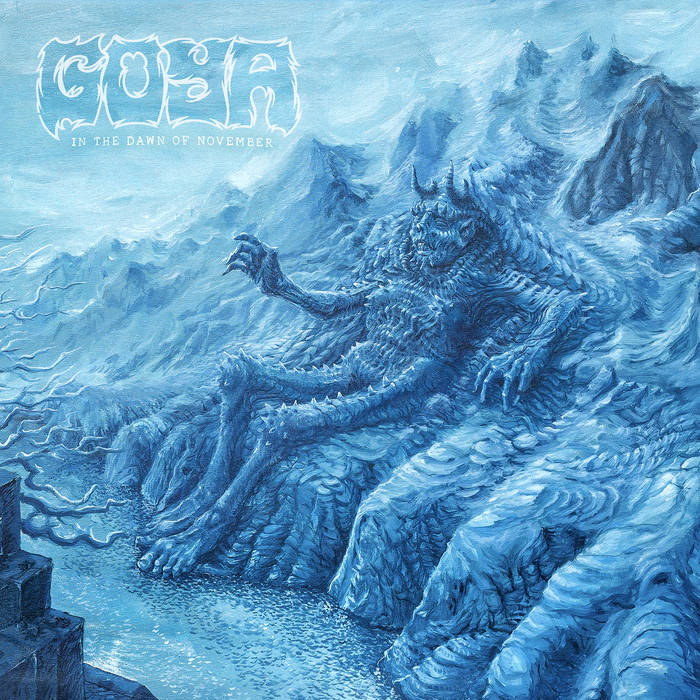
GOYA – In the Dawn of November (2025)

Back in October 2012, I wrote a few lines on a barely known Arizona-based doom band’s demo on Stonerblog. I said, “If Sleep started jamming with Electric Wizard and Acid King was behind the mixing desk, it would sound something like this.” At the time, GOYA was just a promise — a band freshly rising from the desert sludge. Too much fuzz, barely any editing, but there was something raw and instinctively dark in it. And now, over a decade later, that same darkness has fully bloomed.
🔗 Here’s the original write-up from 2012: https://stoner.blog.hu/2012/10/20/goya_demo

The new album, In the Dawn of November, is a 2025 mirror held up to mortality — not just lyrically, but sonically too. As founding member Jeffrey Owens puts it, the last eight years brought “hard truths” and this record reflects that inner journey. They’re no longer invoking demons — they’re wrestling with themselves beyond the grave. This isn’t the same band from the early demo, surfing occult riff waves — this is now a deeply resonant, mournfully psychedelic doom entity, one that has weathered the years of silence.

The sound is sculpted by none other than Jack Endino (Soundgarden, High on Fire, etc.), and the difference is instantly noticeable. The riffs are still monstrous, but no longer attack from rage — they crush slowly, deliberately, with relentless weight. The drums sound weathered, as if soaked in the damp chill of a November dawn. The psychedelia isn’t a trip — it’s a cemetery fog, slowly unraveling into bleak texture.

The video for the title track is... well, imagine if Grief and Witch met in a visual space directed by a Tarkovsky-inspired twilight. It’s not horror — it’s more like ambient decay.

Their new label (Blues Funeral Recordings — home to Acid King, Lowrider, and others) calls this “cosmic sludge” for a reason. This isn’t just doom. It’s a gravitational void formed by personal loss, one the listener gets inevitably pulled into.

In the Dawn of November is a milestone — not only in GOYA’s journey but in modern doom metal itself. An album that began in the desert but now searches for meaning beyond the echo of crypts.
The spirit of that early demo still haunts this work, but it no longer screams from a weed-scented rehearsal space — it speaks from a darker, more mature, and painfully real world. AMEN! (Kráter János)

https://www.facebook.com/goyastoner/

https://www.facebook.com/bluesfuneral/


Carved In Stone - The Iconography of the Desert Vol.1.

Dandy Brown – The Desert Rock Alchemist

Imagine reading the whispers of the Mojave Desert from the pages of a whiskey-soaked Bible. Groove, melancholy, spiritual imagery, bluesy riffs—and something ancient and dusty that only comes alive under desert skies. Dandy Brown always turns the volume down just enough so that the words and melodies can cut through.

Born Steven Vincent Brown, the world knows him as Dandy Brown—musician, songwriter, and producer who has spent decades shaping the deep layers of desert rock. Often working behind the scenes, his influence on the genre is undeniable.

He’s one of the architects of the desert sound, best known as bassist and creative force behind Hermano, where he played alongside John Garcia (ex-Kyuss). Many consider Hermano to be Garcia’s most mature and groove-driven project, and Dandy was instrumental—not just as a player but as a composer and producer.

But he didn’t stop there.
With session work, production credits, and solo releases, he continues to carry the desert sound forward. His solo album Scattered Days is a melancholic journey infused with southern rock, blues, and desert textures—echoing artists like Mark Lanegan, Chris Goss, or Nick Cave—but Dandy’s world is more introspective and spiritual in tone.

Together with his wife, Dawn Brown, he formed The Fizz Fuzz—a project that extends the alternative line of Scattered Days while still echoing the legacy of Hermano.

More recently, they launched Lorquin’s Admiral, a collective featuring members from Afghan Whigs, Fizz Fuzz, Hermano, Luna Sol, Orquesta del Desierto, Sons of Alpha Centauri, and Yawning Sons. The result is deeper, more emotional, and adds yet another vibrant layer to the desert rock world.

As a producer, Dandy remains active: contributing to John Garcia’s solo albums, working on Orquesta del Desierto releases, and often appearing in various desert rock projects—as an advisor, engineer, or songwriter.

His music and lyrics are never superficial—they are thoughtful, emotional, and meaningful. You have to grow into them mentally and spiritually.
Dandy Brown is essential listening for anyone who wants to truly explore the world of desert and stoner rock.

This is the first entry in the Sons of the Desert series, highlighting the key figures behind desert and stoner rock.

https://www.facebook.com/dandy.brown

https://taxidriverstore.bandcamp.com/music

süti beállítások módosítása